
By Erdoo Martha Anongo, AfCFTA Advocate
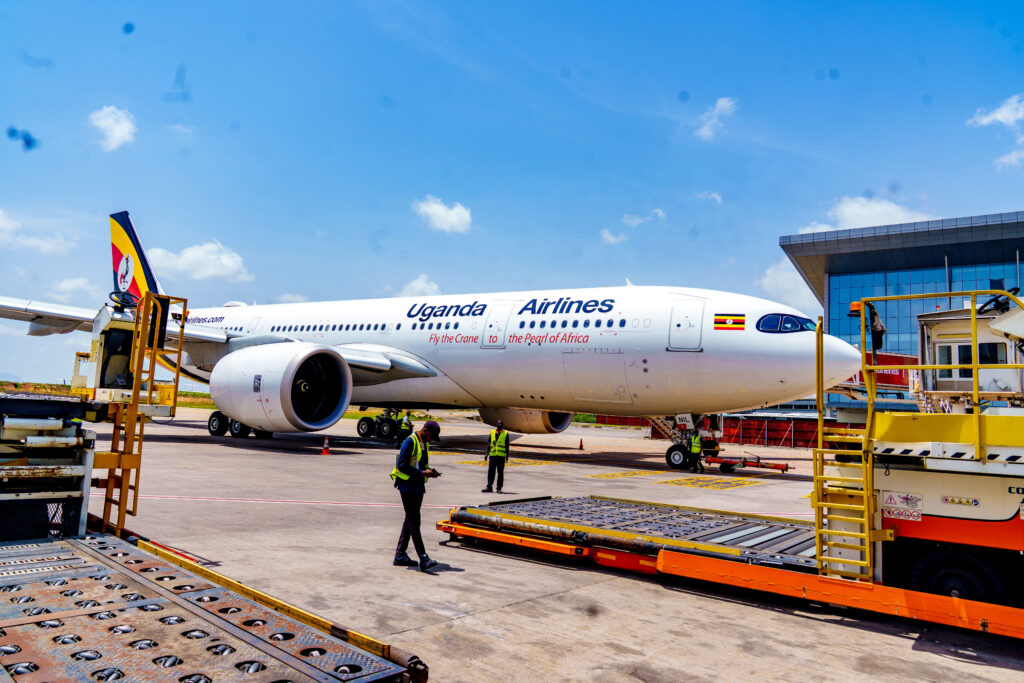
On the 25th of May, 2026, Nigeria launched its first Intra-African air cargo corridor to East and Southern Africa through a partnership with Uganda Airlines, the United Nations Development Programme (UNDP), and the Federal Ministry of Industry, Trade and Investment (FMITI). This initiative is a major step in implementing the African Continental Free Trade Area (AfCFTA), which aims to increase trade among African countries, create jobs, reduce poverty and strengthen African economies.
Before the launch, Nigerian exporters faced high transportation costs, delays, and logistical difficulties when shipping goods to countries such as Uganda, Kenya, Zambia, Zimbabwe, and South Africa.
These challenges made it difficult for many small and medium-sized enterprises (SMEs) to access regional markets and earn profits.
The new air cargo corridor addresses these challenges by reducing export freight and logistics costs by up to 75 percent. This means that if a business previously spent ₦500,000 to transport goods, it could now spend only about ₦125,000 for the same shipement.
Isnt this great?
This significant cost reduction will definately allow businesses to save money, become more competitive and export products such as processed foods, textiles, leather goods, cosmetics, agricultural products, and manufactured goods more easily.
This initiative also improves delivery speed, reduced the risk of product damage or spoilage, and makes Nigerian products more affordable in other African markets.
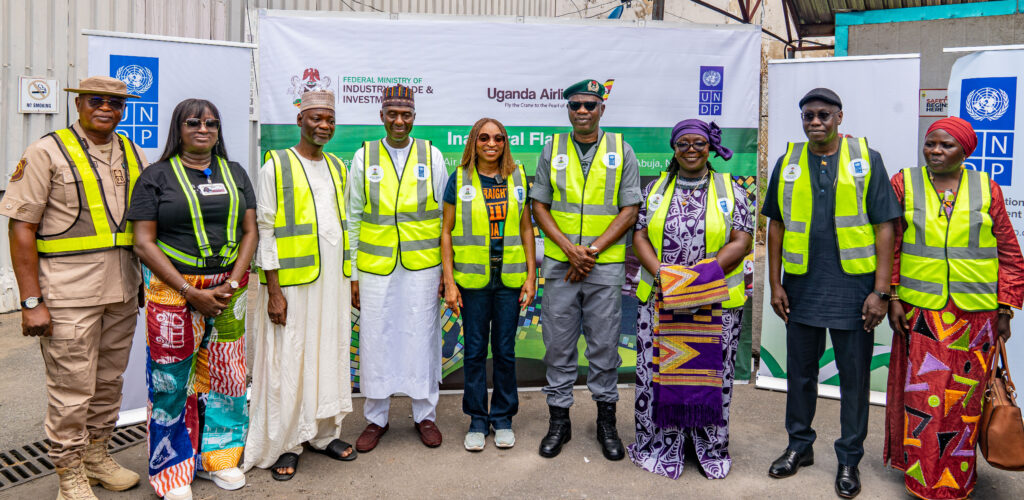
As exports grow, businesses will require more workers, leading to job creation and economic growth.
Furthermore, the corridor will strengthen regional integration by promoting trade and cooperation among African countries.
This is a good demonstration of how partnerships between governments, airlines, and development organizations can remove trade barriers and create practical opportunities for businesses.
Overall, the project highlights AfCFTA’s growing impact in making intra-African trade more efficient and accessible.
Nigeria, weldone.
Erdoo Martha Anongo, AfCFTA Advocate